
A lovely 2026 welcome!
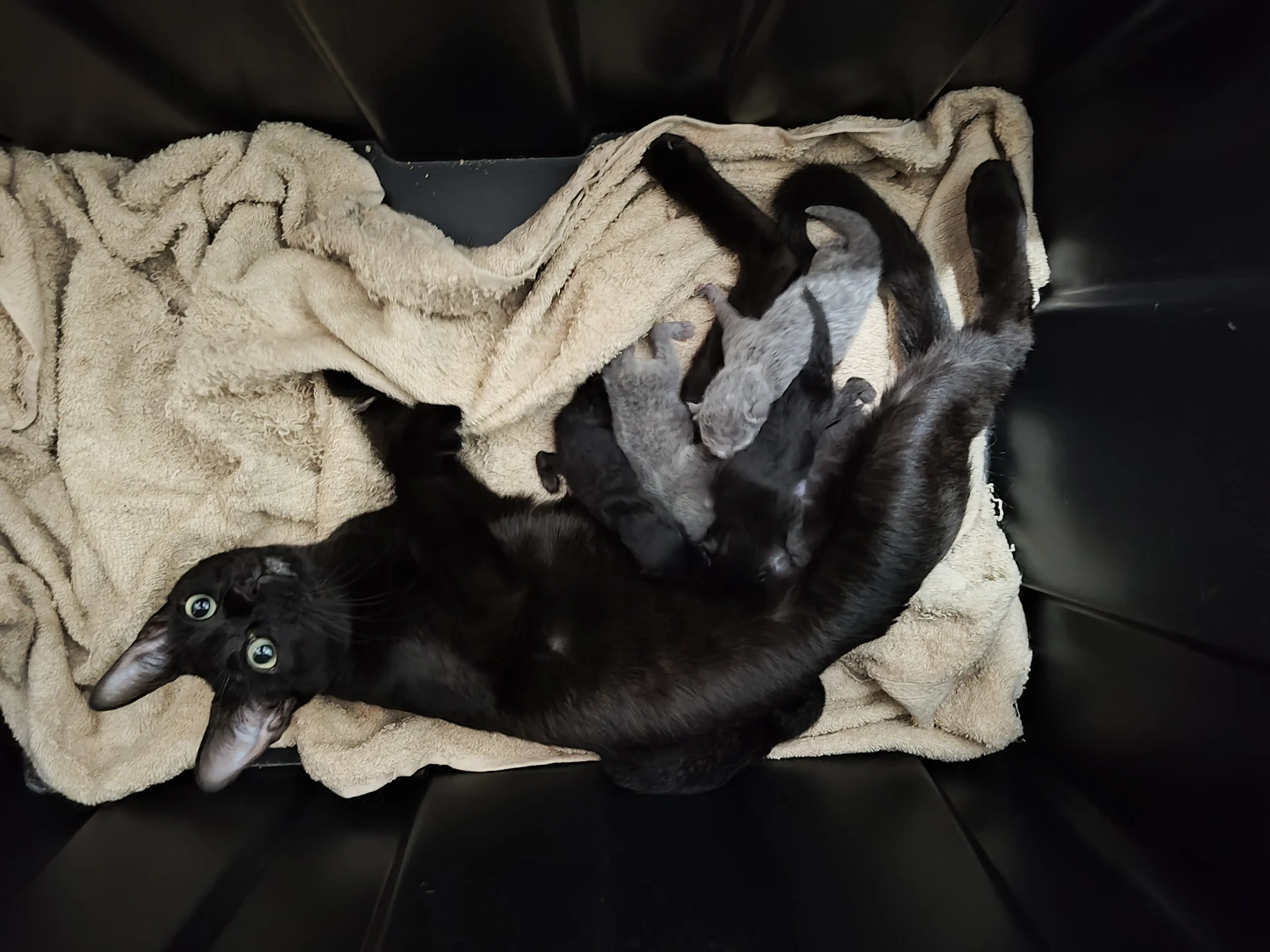
We are wanting to wish everyone a lovely holiday and hope the New Year in 2026 brings everything that people are seeking. We were lucky to have a litter of 4 black kittens and 2 blue kittens from Veronika on the 23/01/2026! This was a shock but we were so happy to see the little cherubs go.
We have also noted a massive demand increase for Russian Blues across a number of breeders and encourage owners to be asking breeders how they breed, their practices and even visiting the catteries you wish to purchase from. As a result, we will require all owners to join the waitlist. We will also begin reframing from giving times or schedules too far ahead, as it becomes unpredictable with nature on colours, numbers and gender!
We will still be continuing to grow the waitlist but after Veronika’s litter, we won’t be expecting any pregnant queens until at least June 2026, a number of which already are spoken for. However, we also have many other, exciting things planned and coming up in 2026 so please stay tuned!
We want to also give a massive shoutout to the patience, resilience and amazing homes all our kittens have gone to so far! All the current litters have now gone to their prospective families, except the nice Terapoya girl we kept back. With rising 40 degree heatwaves in the Central West and other parts of Australia, NSW and the ACT in the coming weeks, please stay cool and hydrated, keep your cats and furrbabies indoors and if you are rural, keep an eye on snakes.
Due to the up and down weather we have had a surge in Brown Snakes (Eastern) which can be a major threat to cats. So please stay vigilant and wary. We are also noting coastal conditions have been good for Tics and Fleas. Please keep your kittens warm and tick treated, as well as regularly checking them (especially after humid, damp weather when it is warm).
It can also be wise to check any of your belongings, as someone even told us of them entering the house without being noticed when they are in high numbers. Remember, these can be fatal to cats and kittens. We also recommend changing the brands up every second turn to try and reduce resistance to a set flea and tick treatment. We have Nextra and Bravecto to be good value due to the 3 months and all round cover Bravecto can provide your cats.
It can also help to have the house treated for external intruders to minimize the risk of foreign insects entering the home, especially as autumn comes in and fleas and ticks become more active as rain arrives. Please reach out or speak to your local vet if concerned, and if you find a tic on your cat, go to the vet ASAP!
What is coming in 2025
We have had a very busy year at Terapiya Cattery in 2025! We have welcomed a few litters of kittens that have gone to kind, loving homes and we have welcomed the amazing Anou Veronika to the Terapiya family! We will still have kittens over the Christmas period moving into 2026 as they grow ready to move into their new homes with their families.
Into 2026 we have bigger plans still! We will be aiming to extend the enclosures we have to allow for more room and queens for our cattery. The aim is to provide healthy homes and good genetic variation within this to allow the cats to be happy and flourish, as well as provide a good environment for training and security. We will also be aiming to microchip our own animals to make the transfer of ownership process more streamlined.
We will also aim to have a few new members join the Terapiya ranks over the coming 18 months, as well as keeping some of our own kittens back to be able to attend shows. It is likely we may also be on the road a bit more in the coming years as we aim to also work with other catteries across New South Wales to improve genetics of the breed. This is essential when living in the Central West as over time there have been closures of other catteries specialising in Russian Blue kittens, which means less genetic variation being available.
We may even consider more international lines or interstate to ensure the health of the breed as the priority. It will also be interesting to see with NDIS changes taking children with autism off the scheme, what this may mean for companion and emotional support animals coming up with these changes. We will also aim over time to provide more therapy services with our animals if the demand continues to rise, as we work with a lot of clients with mental health of physical issues where a emotional support animal can be calming and grounding for them. Riverina Counselling (www.riverinacounselling.com.au) are best to reach out to with more questions here.
We will also likely see increased demand for kittens into 2026, as our last 2 litters were already spoken for by mid-2025. Due to this we will do more meet and greets with owners as a priority to ensure we are keeping the waitlist up to date. For those wanting kittens immediately, we strongly recommend signing up to a wait list with your preferred breeder as soon as possible, as long as your are happy with their breeding standards and breeding practices (always something prospective owners should be asking!)
New rental law changes in New South Wales-what does this mean?
Earlier in 2025 the NSW government changes legislation around rentals and laws with pets in the home. These new changes shift the favour to the tenant who can now apply to keep pets in the home. The landlord then has 21 days to give a response that then can be taken further if the tenant does not agree with the terms, note, not all animals will have conditions attached.
It is then possible for the tenant to take further action if for some reason they do not agree with the decision of the landlord, or additional conditions that may be attached to keep the animal at home. This means those in cities such as Sydney, Orange and Wagga Wagga will have an easier time should they wish to bring a Russian Blue into their home.
It also supports more regional and remote families, in Cowra, Forbes and Dubbo, where often rental laws can be tight due to concerns around native wildlife and feral cats. We still strongly recommend keeping your Russian Blue indoors or harnessed or leash trained to avoid any issues. With these changes it is important to still consider the impact of a pet in a home or unit.
This is the reason we recommend training your Russian kitten from the get-go. Working on stopping scratching, having a few litter trays and plenty of toys are a solid start to ensure the experience is as seamless as possible. It can be useful to have a small, quiet room where you can set up your kitten as a safe place with food and water, as well as for sleeping at night. This will allow a quite safe place to settle, but also avoid any ‘midnight mishaps’, as kittens are very curious and love to explore and play (sometimes to their detriment!)
It is also important to double check strata terms and laws to ensure there will be no issue keeping a Russian Blue in your unit or townhouse. These changes are a step in the right direction and have opened many new avenues for those wanting a kitten to enter their home. It is good practice prior to arranging a call with us to check the above, as then when we connect it is much easier to answer any questions for specifically to your needs. We can also view any areas of concern and come up with ways this could be best managed in the home with minimal stress.
Tips to help your kitten settle into their new home
As kitten season is approaching, many are now wanting to welcome kittens into their homes and family-it is such an exciting time! Kittens' temperaments can vary greatly, some can be excited, some cautious, some adventurous and others more reserved. This can influence how quickly and well a kitten will settle. We raise our kittens close by and indoors in our female nesting areas. Due to this, they are often accustomed to things such as louder noises, people walking around and more aware of things like the vacuum (though they still don’t like it!)
It is important to check with your breeder how they keep their kittens and ensure they are both socialised and exposed to different things around the house. When bringing a kitten home, it can help to do some of the following:
-Have an area (such as the laundry) where it can be cut off from the rest of the house and can house a litter tray, food and water with a bedding area. This means the kitten can be slowly introduced and integrated with a safe space to sleep and reduce night time adventure accidents!
-Have toys, a scratch post, 2 litter trays and plenty of stimulation to support the kitten to settle in and engage with you and its environment.
-Supervise exploration whilst you figure out hiding spots. Be VERY CAREFUL if you have sofas with movable parts. Kittens can get under and climb up and be caught.
-Do slow introductions with other animals and ensure they are healthy, vaccinated and flea and tick treated (and worms!)
-Ensure you keep the same food schedules and do a slow transition to new foods to avoid stomach issues.
-Ensure windows and doors are fully enclosed and fly screened.
You also need to consider your living setup. Out in the Central West we have more spread out homes in Cowra or Young than other places such as Orange or two story duplexes in the ACT and Sydney areas. This means you may need to consider if you need barriers to reduce upstairs access for a time, as kittens can be prone to falling and being slightly clumsy!
It also helps to cordon off areas if you have other animals and to allow a slow integration, though often many of our kittens have no issues in settling with another cat or small dog. This is also useful to have their own sleeping area for security and comfort.
Worming and flea/tick advice for cats
Another question we often get is how often to worm Russian Blue kittens. Some worming and flea products can be given every month, whilst others have a 3 monthly application that is sufficient. It is important when treating with wirm and flea that the cat is both secure and relaxed before application. Cats tends to not like the smell of the soluton so some can become more alert and upset once it is applied! We recommend a quiet room with minimal exit and entry with a heighted area to safely and easily apply.
With spring around the way this is imperative as the cooler and wetter weather brings out more flea and ticks in the grasses. Even though we recommend Russian Blue’s stay indoors, we still recommend treating as cats can try to escape. We also have people take them into the garden on a harness at times, so this also prevents them bring fleas and ticks back into the home. In NSW Central West this season can go for a few months, as Spring in places such as Cowra, Orange and Young is both warming up but still increaibly cold. It is also good practice with other animals in the household.
Many forget the risk that if you have a dog or another cat that regularly comes in and out of the home, that fleas can very easily tranfer between carriers and cross infect. This also runs the extra risk of infesting the house, so we also recommend strong applications if this is the case. We also recommend changing the treatment often, as new research if implying that fleas and ticks can grow resistant to one product over time. This helps to ensure that the fleas do not become accustomed over time and gain resistance to treatment.
We often alternate between Bravecto due to it covering all bases, as well as a monthly application every other time they are due. At the same time, we also change the worming treatment we use so it alternates the product and reduces any likelihood of developing resistance. This provides an ongoing treatment that keep fleas, ticks and worms constantly guessing, and hoefully keeping away! We recommend doing this this regularly as well if there are other animals in the hime as it can aid in reducing corss infection and stopping a resistant build u in other species using similar treatment products in the home.
What to be asking another breeder when considering a new kitten
We often get emails from brand new and seasoned owners. We often notice that for new cat owners this is both a big venture and a massive commitment (this is why we also do the video call, to discuss and answer any questions around this). It also isn’t surprising that new owners may also be checking with other breeders what they may have.
We will usually see people considering a few different breeds initially, often dwindling things down as research is done. Due to this we recommend that prospective owners ask some set questions so they can also screen any breeders they come across. Things may shift and vary depending on the breed and association people are registered with, but ethical breeding practices should always remain quite similar.
What are some good questions to ask?
We always recommend trying to do a video call or a visit to different catteries. This lets you see the cats, see how their temperament is and check the premises and breeding practices of the cattery. If you have allergies, we recommend trying to be around the breed you choose for a while to ensure there are few to no reactions and that everyone feels confident things can work.
We also recommend asking about breeding practices and the genetic coefficients that different catteries aim for. The lower this number, the less closely related any cats are and the science generally shows use there is less longer-term risk of health or genetic issues (though, nothing with genetics is bulletproof). With a low COI and a cattery that breeds in such a manner helps to give some peace of mind of getting a happy and health kitten.
Other things to look and check for a things like tail kinks, as some cats can be prone to getting these though they often don’t affect the overall health and happiness of the cat. Asking how future breeding is planned around genetics and how far litters are spaced out (we aim to do ours past 8 months from the last litter to give the queen recovery) are also good questions. See the living area for the cats can also be helpful to know they have space and room to move and exercise, as well as stimulation.
These provide a good base point to know your breeders’ practices. We recommend to check with any breeder in Australia around these, as well as the code of ethics they work with and who they are registered with (we are with Cats NSW). Being based in regional Australia but only 2 hours from Canberra, Wagga and Orange gives us good and easy access to visit the cattery and see our setup in person, or online.
We have exciting news……
Terapiya has exciting news that we have had 4 kittens with Vera! They arrived early around 2am on Tuesday morning. It was also lucky we heard them, as Vera had 2 kittens and another 2 a few hours later. We were able to ensure the first 2 arrivals were supported, warm and ready to take to the nipple.
Birthing can be an incredibly stressful and taxing experience on queens so ensuring they are comfortable and checking them every few hours the first few days can be crucial at keeping nerves settled and managing complications. However, like her last litter the kitten are currently happy and healthy with no issues. We are thinking we have 3 girls and 1 boy, which is a relief due to the current high demand for females!
The weather and timing couldn’t be more perfect as we are still getting some of the cooler winter nights dropping below 5 celecius. This is pretty typical for the Central West and Riverina but due to kittens being unable to thermoregulate when just born, it is essential conditions are monitored with would they are coping with their body temperature. It isn’t unmoccom for us to get the occasional frosts right through to November before it truly warms up.
From here, we have all their desexing, vaccines and microchipping booked in for the coming months, so timeframes remain on schedule. As the weather warms up, Valentina’s litter won’t be to far behind Vera’s now. We will also be mating Veronika later this year as we bring Russian Black’s further into the breeding program. Currently, the waitlist we have is quite long and there has been increased demand for Russian cats, likely with a lot of the NSW pet law and tenancy changes. We have therefore been recommending that people book their meet and greet calls ahead of time to avoid disappoint when waiting for a kitten.
It is likely Valentina’s litter will be a few weeks later than expected as the colder snap we had a few weeks ago seemed to push things back a little, but she is pregnant! Also be aware to ensure that if you have current cats and are welcoming a kitten into your home that their vaccines are up to date, they are flea and worm treated and check for ticks. It is the time of year where both disease and ticks become a major threat to new kittens and older cats can pass things on without the proper checks.
Making your Russian Blue comfortable in Summer
As spring is approaching, we already covered an article on how Russian Blues can go through a massive malt at this time of year. Summer, depending on where you live is often a good time to play with your Russian or even welcome a new kitten into your home, especially with the warmer weather drawing in.
In the NSW Central West, we often get harsh and dry summers (although the last few years made me doubt this!) We can often get days above 35 Celsius, and in places such as Sydney and Wollongong (as well as going further north) you also have the impacts of humidity coming into play. This can be a good time to take some precautions to support your Russian during intense heat periods.
Regular weekly or bi-weekly grooming is a good idea to loosen that undercoat, remove unneeded hair and make things a little cooler for your Russian. Most do well in the heat but at times, the dense double coat can be a bit too warm for our climate!
Also ensuring you have water always on hand and around so they can drink and stay hydrated is a solid option. You can even buy cat mini ‘Kong’ toys that you fill with treats. These can act as stimulation when you are not around as they are filled with food. But they also have another purpose. If you fill with food and treats, put some gravy or wet food sauce in, plug it up and freeze it, it is also a good way to keep your Russian cool when you are not around.
In the Central West and Riverina, having cooler areas indoors is also useful, such as exposed concrete in the shade or tiles in the home. You may even see your Russian on cooler days sprawl out and lay down in cooler areas to reduce body temperament by opening their surface area of their body for more effective heat expulsion. This might be less an issue in places like Orange with cooler climates, but areas like the ACT this can be good to allow ongoing access for your cat during really got days.
Some people even message us noting their Russians will even play in water or with ice cubes during the summer month, a way to keep cool and have fun at the same time! We recommend having a few different ways to keep your Russian cool if the summer months will be hot where you are.
Tips for allergies in the spring season
Many allergy sufferers who want cats and kittens turn to Russian Blues due to their low production for FD1 protein and the dense, double layered coat (that is majestic and soft!) that helps manage allergies. However, one time of year that can cause havoc for any cat lover is, SPRING! In the NSW Central West we have found this to also be worsened by the intense winds we seem to get from September through to October!
This can also be similar in other regional areas such as the ACT, Orange and Wagga Wagga where the flat, yet hilly surrounding terrain tends to cause strong winds and gusts. During this time many cats will come into a malt to shed the thicker and more dense winter coat as they prepare for the summer hear. This can last from about two weeks but will vary from area to area, pending the cold and location.
You can readily check this by gently ‘picking’ at the coat with your finger and thumb. If hairs easily loosen and come away, it is a sign malting might be occurring. Sometimes you may pull a few hairs (often, some will naturally come loose as per the looser undercoat hairs) but when you start seeing small tufts, it can be a good sign! There are also some instances where we have been told cats don’t malt, especially in more temperate areas such as Wollongong and Central Coast onwards. We often find those in Melbourne of Victoria can get them due to being prone to hard winters.
If there is a mass malt, we recommend purchasing a ‘Shed Exe’, small variety. This can be good to then take your Russian Blue out each day and give them a gentle combover to release and remove some of those loose hairs. Often, when I have done this a mass amount of hair can come out that seems almost impossible to come off of a small cat! This goes to show how dense their coat is. Doing this outside on a harness, in a cage or on a balcony where your cat is safe and the wind can carry the excess away is usually best.
This can help reduce rogue hairs around the house and ongoing dander build up, often reducing the need to use antihistamines during this time around the house. Usually, the malt lasts for 2 weeks so this is also a good time to brush and deepen that bond with your Russian Blue, as ours always love the attention and comb over!
The different standards of Russian Blue-blue, black and white.
Many people recognise the Russian Blue cat and kittens due to their emerald, green eyes and their soft, blue coat. The coat can come in a few different shades from a light to darker slate blue but should always be assessed for having the shimmer at the end of the hair on the coat. It is this and the soft, double coat that gives the Russian Blue their name. Over time as the breed has evolved, there has also been other standard to the pedigree.
This means Russian Blues also come with a white and a black standard. It should be noted there is also a Russian tabby, but these are not recognised by some breeding associations and currently there are limited breeders in Australia with this standard. The Russian white has a gorgeous, soft white coat that has a shimmer effect and helps show off their amazing green eyes. The Russian black has a very deep black coat (almost midnight black!) that also shows their amazing eyes and features off. More and more the demand and popularity is increasing for Russian whites and blacks across Australia.
Up until recently these pedigree’s have been harder to find but have become increasingly popular in recent years with more awareness around the Russian Blue growing. They all share similar temperament of being both curious, intelligent and playful. We are also finding the coats help with the hard winters we get in NSW Central West and the Riverina region. Another positive I have also found (as an allergy sufferer) is there is also little to no reaction to the other colours, as they also produce less feline FD1 protein that most people react to.
We have recently seen increased enquiries around the Russian black (especially with Veronika joining our cattery). Many people love the striking deep black contrast with deep set, gorgeous emerald eyes. We are also excited that it won’t be long until we can offer Russian Black kittens to owners who may be interested in them! It is important when considering these coats to assess the parental lines and pedigree to ensure continuous ethical breeding practices, low COI for overall health and the lines they come from the ensure they are consistent with parents being Russian Cats.
Being in the Central West we are both close to the ACT and Wagga Wagga, as well as other regionally isolated areas such as Dubbo, Orange and Bathurst which means anyone regionally or in Victoria may be interested in purchasing a cat has easier access to these pedigrees. We will continue to post updates on our kittens as we go.
We will soon be offering microchipping!
As Terapiya Cattery has grown, we have also expanded the different services we offer. This will include being able to microchip our own kittens to make the process of identification both safe and easy on our kittens.
Microchipping is an essential service in Australia and areas such as the Riverina and Central West are often vital. Though we do not recommend our cats leave the house, there will be times where they push the limits and may sneak out from an unclosed window or door. Russians are often at risk of being attacked by other feral cats, as well as potentially being targeted by thieves due to their coat and pedigree.
Also living in areas such as the ACT with new cat laws means microchipping is more important than ever! At least if your Russian Blue does sneak out, it can easily be identified with the microchip to determine the rightful owner. This also helps if someone else finds your cats and surrenders them to a vet for further care whilst they identify the owner.
Laws are now shifting around dogs and cats in Australia with new dog breeding laws introduced and areas of Canberra with cat exclusion zones in being able to roam, we are feeling it won’t be long until New South Wales and other states strongly follow this trend. Even in places such as Young and Cowra, there have been attempts to limit the number of animals a household can even have!
However, things have also shifted for the better for renters.with new laws in NSW meaning they are able to have pets in the house with less restrictions. This means many have begun considering the journey of getting a Russian Blue but also the importance of ensuring your kitten is fully microchipped. These changes are a step in the right direction to allow ethical breeding and animal keeping practices in Australia, and we are expecting more to come for breeders down the track to ensure they are abiding by strong standards.
This is something we can further discuss in our call together around the setup of your home environment. We can also try to answer any questions and give tips around the need to close certain parts of the home off or make things safer and less accessible for a Russian to escape (they can be sneaky at times, and very determined!) Most people don’t realise it is about good practices in the home, such as keeping doors and fly screens shut. We have even added additional latches to some of our doors as due to the Russians intelligence, they can often figure a way to open doors!
This also means with older cat doors or outdoor enclosed spaces, to ensure you use a cat door that is secure and can be locked. This means at any time you can limit access to the outdoors as needed, or stop unwanted guests!
What are you feeding your feline friend?
If you're anything like us at Terapiya Cattery, your feline friend isn't just a pet; they're family. And just like we worry about our human family members getting the right nutrients, it's crucial we pay attention to what we're feeding our beloved cats. Lately, we have been doing a deep review into the world of cat nutrition, and honestly, it's been eye-opening. It's made us really think about whether those generic bags of kibble are truly giving our furry companions everything they need to thrive.
One thing that has really stood out is the importance of high nutrition cat food. It’s not just a marketing hype; it's about providing our obligate carnivores with a diet that closely mimics what they would eat in the wild. Think about it – their natural diet consists primarily of protein from small animals, with moderate amounts of fat and minimal carbohydrates. Their entire digestive system is designed to process nutrients from animal sources. When cats also eat in the wild, they actually consume nearly all aspects of their meal! Making them very effective digesters.
So, what's the big deal with those cheaper, often grain-filled cat foods? Well, while they might fill your cat's belly, they often fall short on the essential nutrients that contribute to long-term health and vitality. These lower-quality foods can be packed with fillers, artificial ingredients, and excessive carbohydrates that cats aren't designed to efficiently digest. This can lead to a whole host of problems down the line.
We have noticed a real difference in my own cats since switching to a higher quality, protein-rich food. Their coats are shinier, they have more energy, and even their litter box habits have improved (less waste!). It makes sense when you think about it. When their bodies are getting the right building blocks – high-quality protein for muscle maintenance and repair, healthy fats for energy and skin health, and essential vitamins and minerals – they simply function better. They also have longer term health as they are getting a complete diet, designed for a carnivore (which grains, are not!)
Think about the energy levels. A cat fuelled by nutrient-dense food is more likely to be playful and engaged. They can maintain a healthy weight more easily, reducing the risk of obesity-related health issues like diabetes and joint problems. A good diet also plays a crucial role in supporting a strong immune system, helping them fight off illnesses. Plus, the right balance of nutrients can contribute to a healthier digestive system, potentially reducing issues like vomiting and diarrhea. For those in the ACT this is easier due to the laws for outdoor cats.
Now, high-quality food can be more expensive than the regular day to day food that you may see in the supermarkets. And it's true, the initial cost might be higher. However, we encourage you to consider the long-term benefits. Investing in their nutrition now can potentially save you money on vet bills down the road by preventing diet-related health problems. Plus, cats often eat less of a high-quality food because it's more nutrient-dense and satisfying.
If you're considering bringing a new feline friend into your home, especially if you're looking to purchase kittens near Canberra, Orange, or anywhere in the ACT, it's something to really think about from the start. At we Terapiya Cattery always try to place a strong emphasis on the health and well-being of their kittens, and that includes their early nutrition, as well as feeding practices and schedules. Asking about the type of food their kittens are raised on is a great way to ensure you're starting your new companion off on the right paw.
Whether you're welcoming a new kitten or looking to improve the diet of your current cat, taking the time to research and choose a high nutrition cat food is one of the best things you can do for their health and happiness. Trust me, seeing the positive changes in your furry friend will make it all worthwhile. We want them around for as long as possible, purring and playing by our sides, and proper nutrition is a fundamental key to that longevity and quality of life. So, let's all commit to giving our cats the fuel they truly deserve!
If you have further questions or thoughts on cat food and nutrition, please reach out!
Specifics on how to train your cat (not dragon!)
When training a cat there are many simialrities to dog training, but also a number of major differences! It can useful to know a bit about beahvoural approaches to training. Cats respond to many different varities, so at Terapoya Cattery we aim to provide our Russian Blue kittens with exposure to many different stimulus.
With Winter setting into the ACT and Southern NSW, places such as Orange, Canberra and Wagga Wagga become harder to access the array of outdoor actities. This is often a time I like to train due to being forced inside with these condtions.
One thing to check first is find what stimulates your pet. This is something that they find rewarding, seems to make them excited and you will often see a beahvioural rsponse rather quick (Sascha will come and sit with his food, if he knows it is training time). When working with a newer cat, first start by just taking your time and exposing them to some of the following:
Treats: if you have any on hand, try them! Or, have a few different types and see if your cat likes any. Food can be a powerful reinforcer.
Toys: having an array of different toys, with bells, feathers, toys on a strip ect can be really useful as a postive reward when doing and learning a new task. Try different toys and see what ones your kitten responds to the most!
Pets (and for Russian Blue’s, ear sratches!): When I trrain SaschaI will often alternate between the different stimulus is use when training. Finding their favourite spot to pet or srartch can be a major reward when they do a task well.
After this, I spend time with a basic command, such as ‘come’ or recall training using their name. Thios initially is more about setting the scene, what to expect from training and oreiting your kitten towards how reinforcement works. I will often do this for some time and over time for some months as a kitten moves between 3-6 months of age.
As the kittens get older, you can begin to consider specific commands you’d like to teach, as well as ones that may be quite useful, such as recall training. THe reason for early oreitnation to play based training with no set agenda is at this point, it often makes it much easier to set the pace and tone for doing certain actions and commands.
As mentioned in other blogs, finding ways to initaite a beahviour natrually is often the easiest and best way to teach a new skills via command training. It can be useful to spend time watching your cat and kitten play. Explore and interact with their world. Often during this you will see wyas you can manipulate the enviroment to try and get those natraul behavious occuring.
Then you can try to do things that you have seen your cat do (such as a hand above a head to imitate a grabbvin motion, for example) that make it easier for them to learn to do the behaviour on command.
Training your Russian Blue
Russian Blues are known for being an intelligent breed of cat. They have a reserved but curious, inquisitive nature (but not all Russian Blues are reserved!) Training is also a great way to help your cat and kitten bond with you, as it is both stimulating and a bonding experience for cats and owners alike! Training has been good in helping keep indoor cats stimulated. In Young, NSW we are having colder winters. Often, I will spend time with Sascha in his enclosure teaching training as this helps us bond and spend quality time together.
I often try and make training as natural as possible. Firstly, finding out what motivates your cat is a must. Some cats prefer food, some positive reinforcement and others toys. Training can use clickers, though I generally do hand and voice-based command for more ease. I generally recommend training cats when they are a little older, some will be good from 6 months but often many will be better from 12 months onward to get the ‘kitten’ instincts down a little!
Trying to find ways to make a training behaviour more natural is also useful. When I taught Sascha the command ‘paw’, I did this from an isolated and raised position which meant he had to reach his paw to try and get to me. Over time, with the same command and reinforcements (he prefers lamb pieces and lots of pets!) He can do this with just a hand command now, or voice alone! This only took a matter of a few days. I have also taught him ‘round’ where he will go in a circle for a treat. These commands require a more graded form of conditioning that I will take time to cover in later posts.
The possibilities are endless, but it is also important to remember, not all cats will train like others and temperament is often a strong factor to how trainable a cat can be. I recommend reaching out if you are looking for a Russian Blue with more trainable aspects to it, as it helps to be able to look at the temperaments of kittens from a young age. We also recommend having a range of different stimulus available.
You can also buy ‘cat clickers’ that let you associate different commands to a number of clicks. These can be good for singular commands, but I often find it can become confusing if you are teaching many different commands. So, having a clicker, a toy with feathers (a wand can also be fantastic!) find out what treats can bribe them, and you will be on to a good start! Starting off with smaller and easier to train behaviours is also good practice, as this begins to acclimate them to the training process, your expectations and making it fund and exciting. You can also try more complex training, too, though you may need to teach varying parts of a behaviour over time using this method.
Please touch base with use if you have other questions around training, or even your own videos or ideas!
The Russian Black
Here we are in June where things have slowed, and Winter has crept in. In this time, we are preparing for Valentina and Vera’s mating this month. We also have the addition to the cattery of Veronika, the Russian Black kitten from the amazing Anou Cattery! Russian blacks have a solid, gorgeous sleek coat and the gorgeous green eyes often stand out against their deep, black sheen. There are many similarities between the two breed standards with the blacks often being playful and liking ongoing attention. Blacks have always been a favourite to add to our colours we can offer owners.
Out in NSW Central West in Young, Orange and Wagga areas, there are not many breeders with a black pedigree Russian around. It is only in the last few years that many of the Russian Black kittens have become more well known. These cats should be indoors only (which we recommend for any Russian) due to the risk of others often taking pedigree cats. Russian Blacks have all the same care needs are their siblings, the Russian Blue. Over the years this colour has gained more popularity but is relatively well known in their breed standard elsewhere.
Blacks have an amazing and relaxed temperament, often being playful and liking to follow their owners around. We are also confident they will be relatively easy to train and teach tricks to. We do recommend a good brush iojn spring to help shed the winter coats but otherwise they are relatively low mainteicne. I also note (being an allergy sufferer) that there have been no issues with their coat so far.
Many are unaware of the Russian blacks and whites, and we are passionate about both increasing the awareness of these gorgeous cats, as well as aiming to improve the breed and genetic diversity around Russian Blacks into the future to ensure their success. If you are interested in a Russian Black, please reach out.
We are preparing for more kittens! And a new arrival has come…..
Over the last few months, Terapiya Cattery has had a whirlwind of things occurring. We have now a complete outdoor setup that is fully secured and insulated for our male cats. This took some time due to the barriers accessing trades in rural areas, such as Young and Cowra. We also did a trip up to Armidale to visit our friends, Anou Cattery (Anou Russian Cats) whom we also share our ethical breeding with (check them out!)
We are also please to welcome out Russian Black, Veronika! She is such an amazing gem and loves to play but is also super cuddly. She has such a balanced and lovely temperament, we cannot wait to see her kittens! She will likely be due for her first litter in early 2026. We are also getting closer to Ver and Valentina’s matings, and we have already had significant interest and deposits paid, so there will likely be only a few spots remaining for those who would like one of these kittens.
As the winter months roll in, things will be a bit quite as things go dormant in the Central West for a time. It is a great time to visit the area and even our cattery, as we have increased enquires from allergy sufferers looking for a breed that has low allergy and Fel d1 protein, which is known to irritate people. I always like to remind others that I am highly allergic to most things, but this is one of few breeds who cause me no issue, at all!
We recently had another 2 families with extreme allergy sufferers visit and they didn’t even react! With one person rubbing a kitten all over them! So keep your eyes peeled on the site and social media as we will have more exciting announcements to come throughout winter!
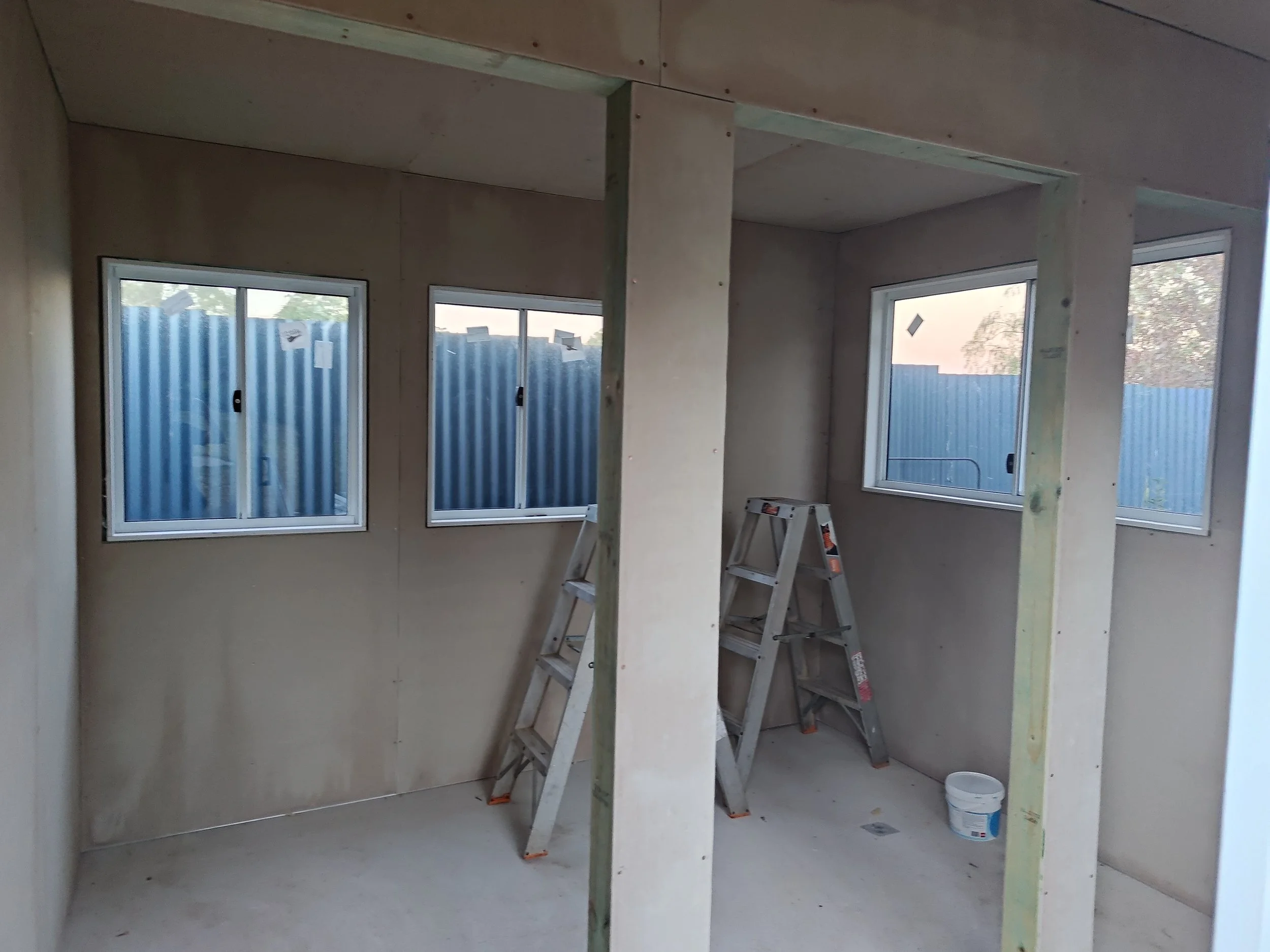
We have finished the renovations!
We are happy to announce the renovations are finished, just in time for winter! With the cold and frost hitting the Riverina and Central West early it was imperative that our cats were housed and protected from the elements.
Due to issues with getting builders for smaller projects and raising material costs this took longer than anticipated, but we got there early than we could think! And for one Sascha is happy! From here we are now better able to expand our cattery and ensure they are safe and happy.
From here we will keep you posted with upcoming ventures, litters and updates about news with our cattery, such as the addition of our exciting new Russian Black!
Orders have started for the next litters
Now we have sold all of our kittens from Valentina’s and Vera’s first litter we are taking orders for our next litter, which has already had people booking in their Google Meets consult to discuss if a kitten will suite their families.
There has been an increase from enquires in Canberra, Melbourne (we are only 6 hours away) as well as some surrounding towns, such as Orange and Wagga. We have also connected with Dogmoovers who provide a affordable and reasonable pet transport service to Sydney and other cities. We are also excited to be visiting Anou Cattery over Easter (Anou Russian Cats) who we will be getting our next Russian Black female, Veronika! So stay tuned for more updates here.
Just a reminder to owners as the winter months set in and cooler weather to ensure you regularly flea and tick treat your cats to keep them healthy and safe.

An exciting update on the cattery…..
Terapiya’s outdoor enclosure area. Designed to withstand the harsh Canberra frosts and the intense heat of the Central West. Young, NSW.
We are excited as we are coming close to the finish of our outdoor enclosure. This has been specifically built to tolerate the harsh winters and hot summers we get in Young, NSW. The weather here is very reflective of what Canberra and the ACT receive!
The means our cats are weather protected from the frost and heat, but also from pests, mites, fleas and ticks that can often cause expensive vet bills or potentially serious injury. We also often get snakes, so this means our cats are safe, but most of all it helps protect our natural environment and animals. We also designed separate drainage outlets to help manage disease, which is an important aspect of a cattery with the DPI guidelines (this is essentially, our bible).
We will also be building a secondary area for housing in early 2026, which will provide additional spaces for our new queens and sires as they arrive. We also have 2 planned mating with Valentina and Vera with Sascha commencing late May to Early June. We have already had quite a bit of interest in these litters (like, a lot!) So, we recommend anyone wishing to purchase a Russian Blue kitten from us to book your video calls in ASAP! Remember, there is no fee for the initial consult, just to be added to the waitlist for a kitten.
Canberra and different laws
As we have had more increased interest in Canberra and the ACT (we are luckily only 2 hours away for anyone wanting a kitten living here!) We also want to recommend considering local cat laws, as the ACT has passed some much-needed legislation to help protect native wildlife and decrease the number of feral cats in set areas.
We always recommend our cats to be indoors, as even in the country and Riverina area, people will often still try and take cats , and we often hear stories of cats disappearing. If you do want your cat to go outdoors, it may be worth considering either harness training or buying a suitable enclosure so they can safely do so.
Different parts of the ACT can vary with how the new legislation work, so it is important to ensure that anyone wanting a cat also complies with their local state laws. We also recommend owners living in apartments to be checking with their strata to ensure they can have a pet.
If there are further questions, please reach out.